State of Adaptation Report, 2025 (SOAR,2025)

Background

Africa stands at the frontline of the global climate crisis, confronting increasing risks across vital livelihood sectors, including agriculture, water, health, ecosystems, infrastructure, and human settlements. Although the continent contributes only 4% of global greenhouse gas emissions, it bears a disproportionate share of climate-related impacts. These challenges are exacerbated by structural vulnerabilities such as widespread poverty, limited institutional capacity, restricted access to finance, and significant data gaps. 

Climate change is already affecting the continent and is projected to intensify. The Intergovernmental Panel on Climate Change’s 6th Assessment Report (AR6) confirms that Africa is warming faster than the global average. The continent’s vulnerability is further compounded by widespread poverty, limited access to basic services, governance challenges, and gender and wealth inequalities. The IPCC also highlights growing threats to food insecurity due to declining crop yields.  Over  53% of the Sub-Saharan African labour force, most of whom rely on rainfed agriculture, are under threat. By 2020, more than one in five people in Africa were facing hunger, twice the global average. Climate change is undermining food systems and interacting with other stressors, including inequality, resource depletion, and conflict.

Under the United Nations Framework Convention on Climate Change, countries have established a Global Goal on Adaptation (GGA), aiming to enhance adaptive capacity, strengthen resilience, and reduce vulnerability to climate change, thereby contributing to sustainable development and ensuring an adequate adaptation response in line with the temperature goal. The GGA is grounded in the understanding that adaptation is a shared responsibility requiring a global, coordinated response, particularly in support of the most vulnerable countries and communities. In light of these challenges, the GGA under the Paris Agreement presents a significant opportunity to enhance collective ambition and accountability in building climate resilience worldwide. 

For Africa, the GGA offers a critical framework to align national and regional adaptation efforts with global targets, while also addressing the continent’s unique socio-ecological, economic, and political contexts. The urgency of adaptation in Africa is growing, as the continent continues to confront climate risks that affect economic growth, ecosystems, and social well-being.

African stakeholders increasingly recognise the need for a strong, African-led voice to shape the narrative around priority adaptation areas and influence international, regional, and national climate policy. In response to this need, the Africa Adaptation Initiative (AAI) has launched a flagship programme, the State of Adaptation Report (SoAR), to catalyse investment in adaptation and showcase successes from across the continent.

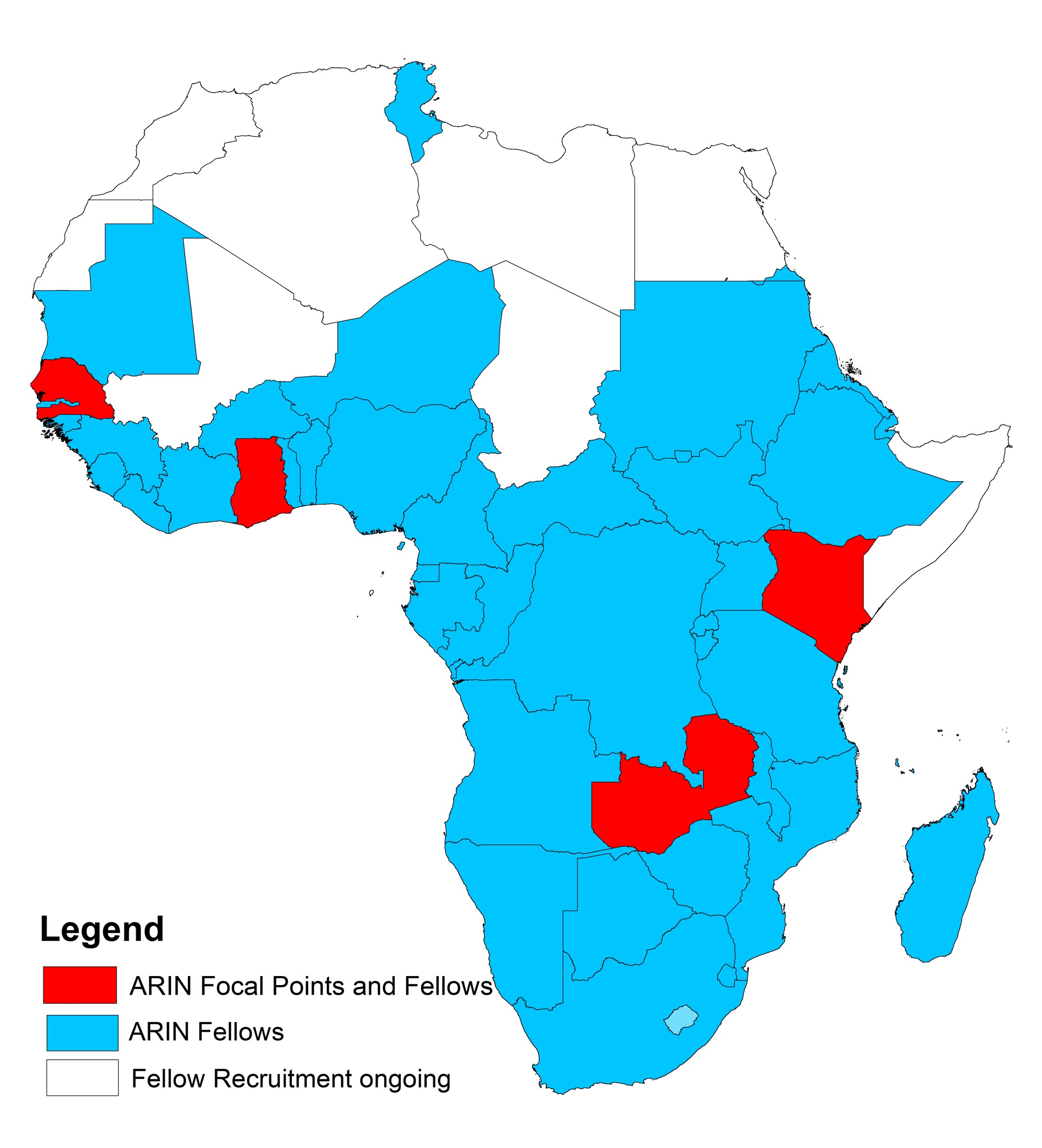
Building on previous editions and an evolving adaptation landscape, SoAR 2025 emerges as a flagship continental assessment. Led by the Africa Research and Impact Network (ARIN) on behalf of the AAI, the report will provide an authoritative and comprehensive evaluation of the status, progress, and challenges of climate adaptation across Africa.

SoAR 2025 is intended to support policymaking, investment planning, and knowledge-sharing. It will serve as a key reference for policymakers, development partners, researchers, and practitioners working on climate change adaptation in Africa. The report will offer evidence-based insights into the implementation of adaptation actions, track alignment with global and continental agendas, and spotlight best practices and innovations that are enhancing climate resilience.

The report will also contribute to strengthening the evidence base for adaptation planning, financing, and governance, helping countries meet their commitments under the Paris Agreement, Agenda 2063, and other relevant frameworks. Through inclusive engagement with diverse experts and stakeholders, SoAR 2025 seeks to reflect Africa’s adaptation landscape in a balanced and representative manner.

The chapters of SoAR 2025 are structured according to the thematic sectors of the Global Goal on Adaptation (GGA), providing a comprehensive and internationally aligned assessment. These thematic sectors include agriculture and food security, water resources, human health, ecosystems and biodiversity, infrastructure and human settlements, as well as livelihoods and cultural heritage. An additional chapter will address strategic opportunities and challenges. This structure is intended to enhance policy relevance and ensure coherence with global adaptation monitoring frameworks.

Justification

Despite the existence of several global and regional adaptation reports, many fail to fully capture African contexts, knowledge systems, and lived experiences. Much of the existing data is fragmented, outdated, or externally driven, limiting its utility for African decision-makers. Furthermore, adaptation finance remains insufficient and poorly aligned with the continent’s real needs.

There is an urgent need for a report that is:

Comprehensive and credible – Synthesising diverse, locally-led data and evidence on adaptation progress.

Context-specific – Centering African voices, perspectives, and homegrown solutions.

Globally aligned – Interfacing effectively with the GGA and other international frameworks.

Action-oriented – Offering practical recommendations for governments, civil society, the private sector, and development partners.

Aim and Objectives

Aim

The overarching aim of SoAR 2025 is to catalyse adaptation ambition and action across Africa by delivering a comprehensive, data-driven, and contextually relevant assessment of the continent’s progress, challenges, and opportunities in climate adaptation, fully aligned with the GGA framework.

Objectives

To document and assess the status of adaptation implementation across key livelihood and ecological sectors in line with GGA thematic priorities.

To generate and synthesise evidence on emerging trends, innovations, and best practices in adaptation planning, finance, and governance across local, national, and regional scales.

To track the alignment of national adaptation policies (e.g., NDCs, NAPs) with continental (e.g., Agenda 2063) and global (e.g., Paris Agreement) frameworks, identifying synergies and gaps.

To support strategic investment by mapping the adaptation finance landscape and identifying entry points for resource mobilisation.

To promote inclusive knowledge-sharing by involving a wide range of African stakeholders, including governments, civil society, indigenous groups, academia, and the private sector, in the co-production and dissemination of the report.

To serve as a reference document for adaptation practitioners, policymakers, and development partners striving to build resilience across Africa.

Key Output

The State of Adaptation Report 2025 (SoAR 2025) will deliver a comprehensive, African-led assessment of the continent’s climate adaptation landscape. This single, integrated report will provide a continent-wide overview of adaptation progress and emerging risks. It will offer evidence-based analysis of adaptation finance flows and governance systems, assess the alignment of national and regional actions with the Global Goal on Adaptation (GGA), the Paris Agreement, and Africa’s Agenda 2063, and compile successful practices and innovations from across the continent. In addition, the report will generate regionally balanced, policy-relevant recommendations tailored to the needs of governments, development partners, the private sector, and communities. It is intended to serve as a critical resource for driving adaptation investment, shaping policy, and amplifying African voices in global climate discourse.

Project Team

Dr Joanes Atela, Principal Investigator

Mr Charles Tonui ARIN

Ms Edna Kowenje ARIN

Dr Humphrey Agevi ARIN

Dr Eurallyah Akinyi ARIN

Dr. Isaiah Maket ARIN

Mr Washington Kanyangi ARIN

Ms Ann Irungu  ARIN

Ms Florence Onyango ARIN