Thematic Area 01
Our Focus Areas
Sustainable Development
ARIN drives evidence-based research and policy transformation across Africa in this critical domain.
ARIN by the Numbers
Our Impact Across Africa
African Countries
Research Projects
Partner Organizations
Transforming Research
into Lasting Impact
Across Africa
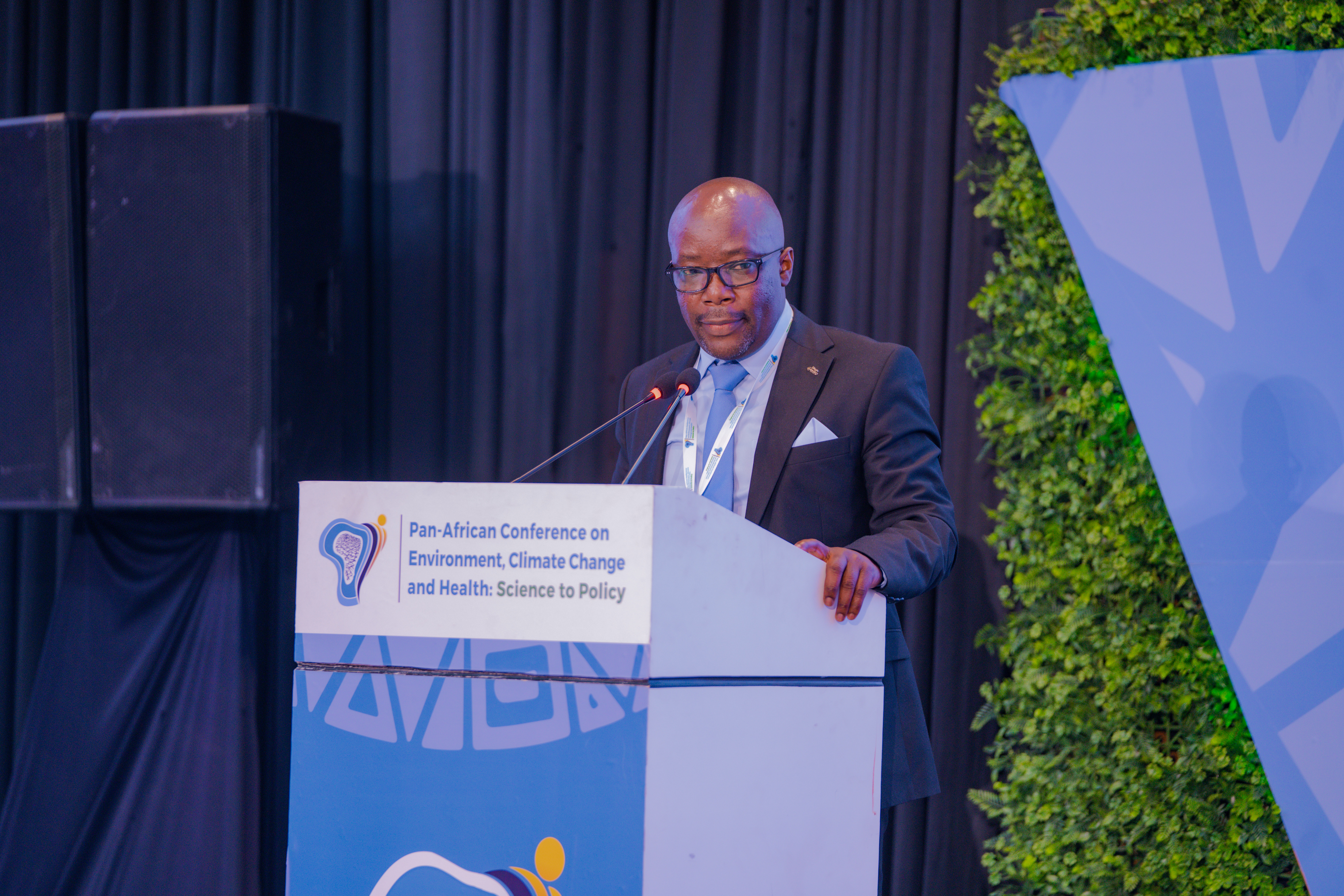
ARIN is Africa's premier research network — connecting scholars, institutions, and policymakers to drive evidence-based solutions that shape millions of lives across the continent through eight thematic disciplines.
Rooted Across
the African
Continent
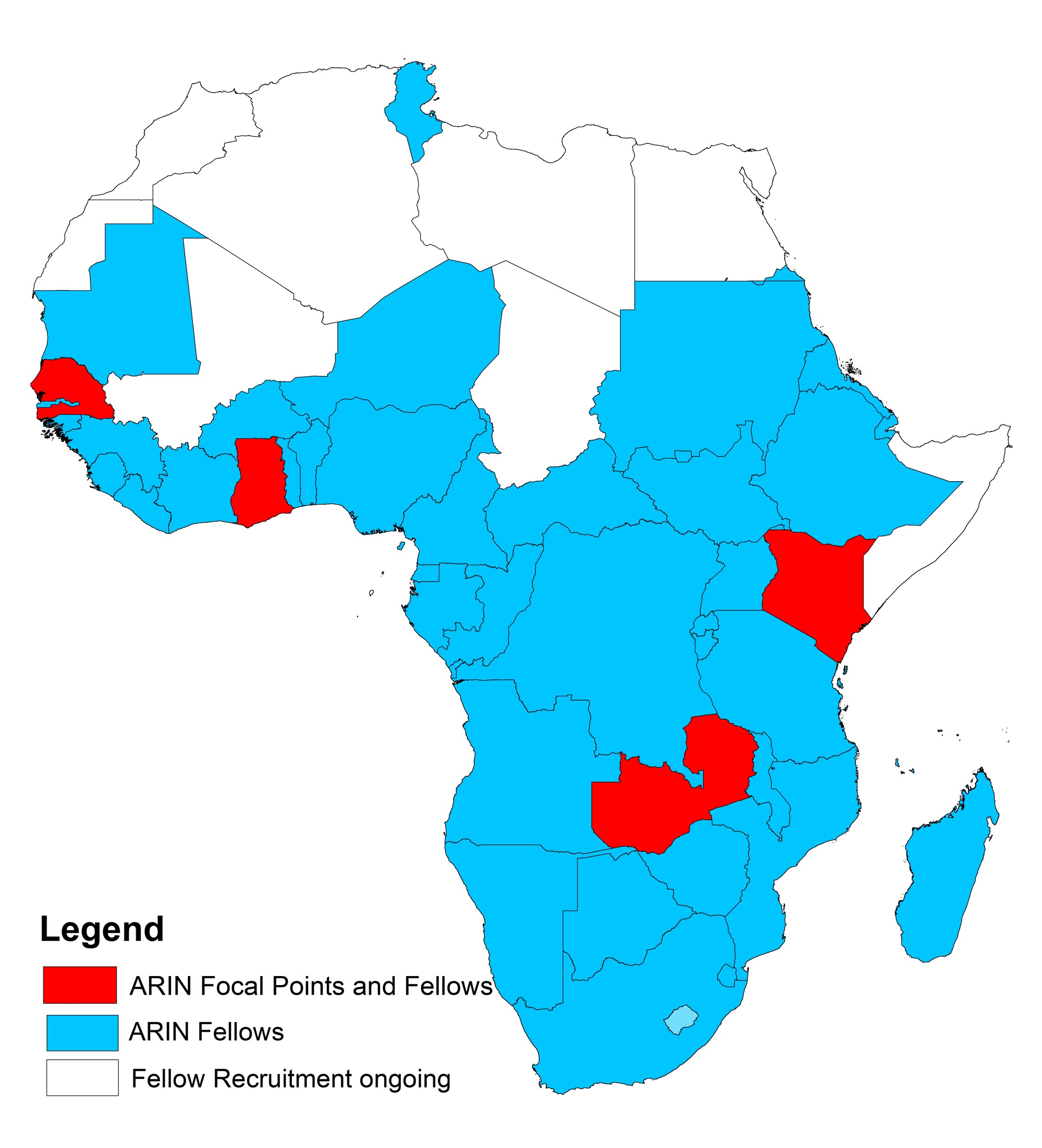
ARIN's network of researchers, focal points, and fellows spans the breadth of Africa — driving evidence-based change where it matters most.
Our Focus Areas
ARIN pioneers path-breaking research across key thematic areas shaping Africa's sustainable development agenda.
Fresh from the Network
Latest from ARIN
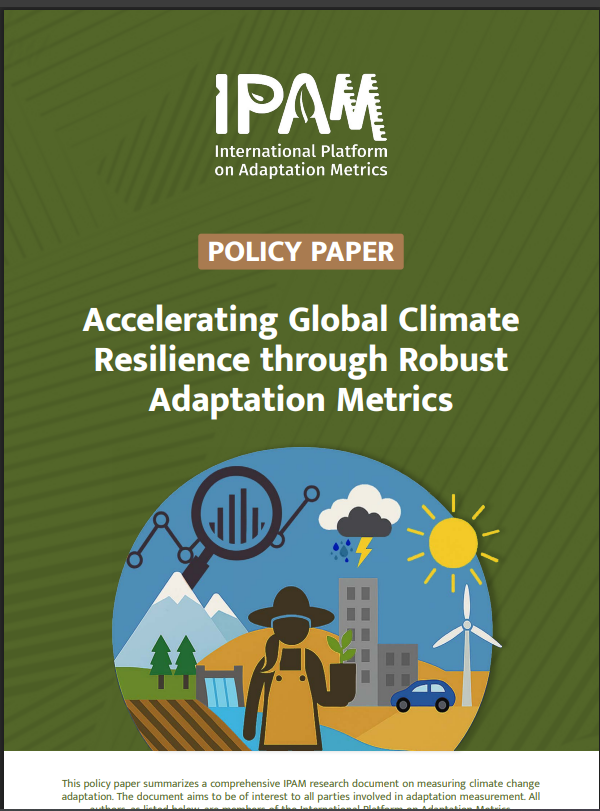
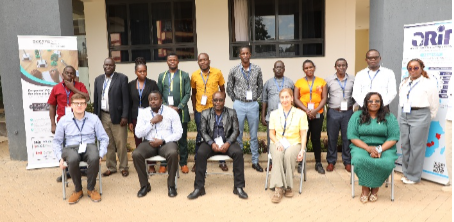
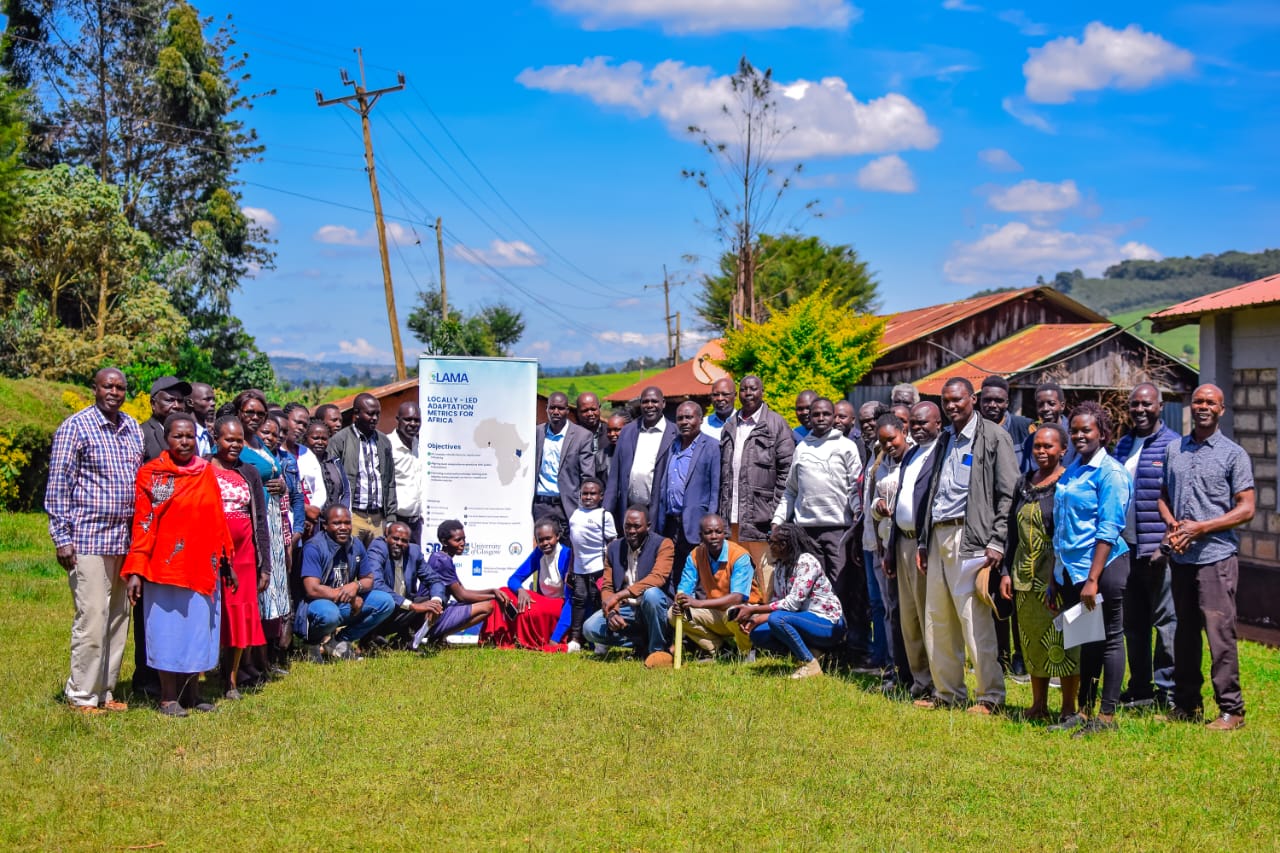
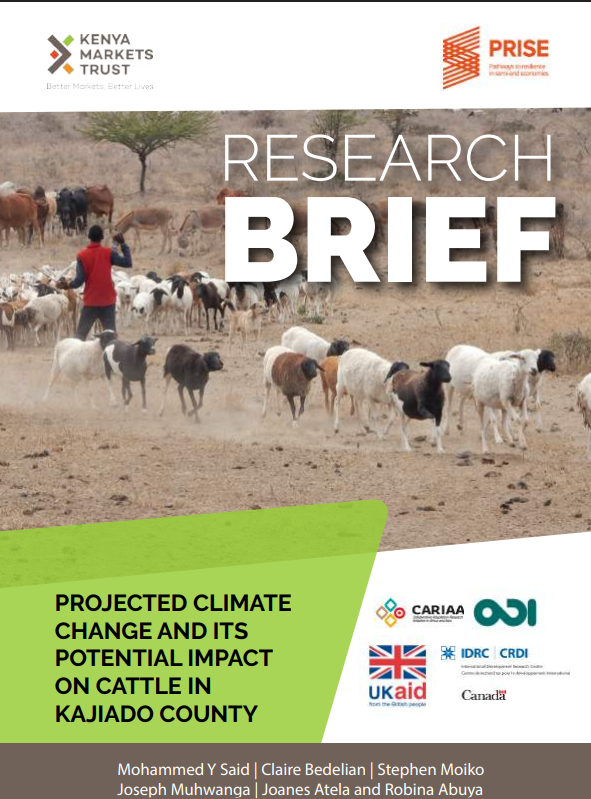
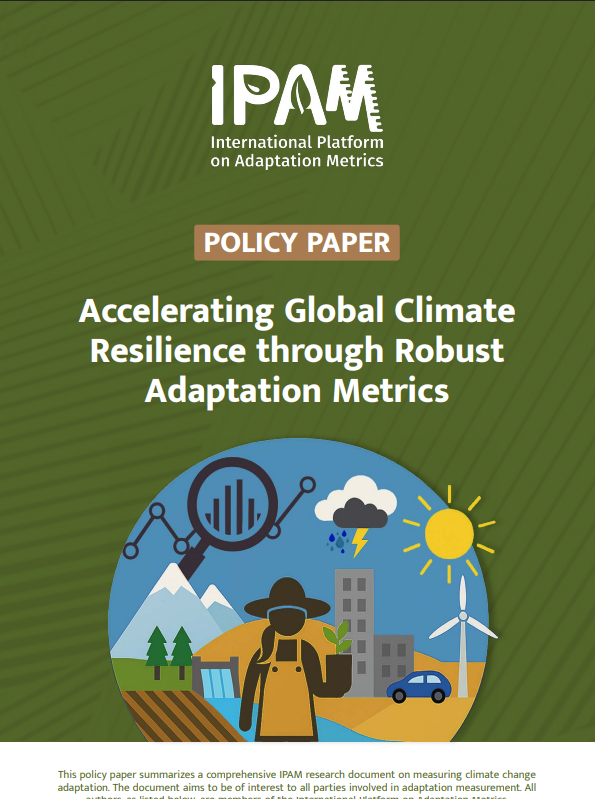
Strengthening Climate–Nature–Health Action in the Lake Region Economic Bloc: Reflections from the BioCAM4 Workshop in Kakamega, Kenya
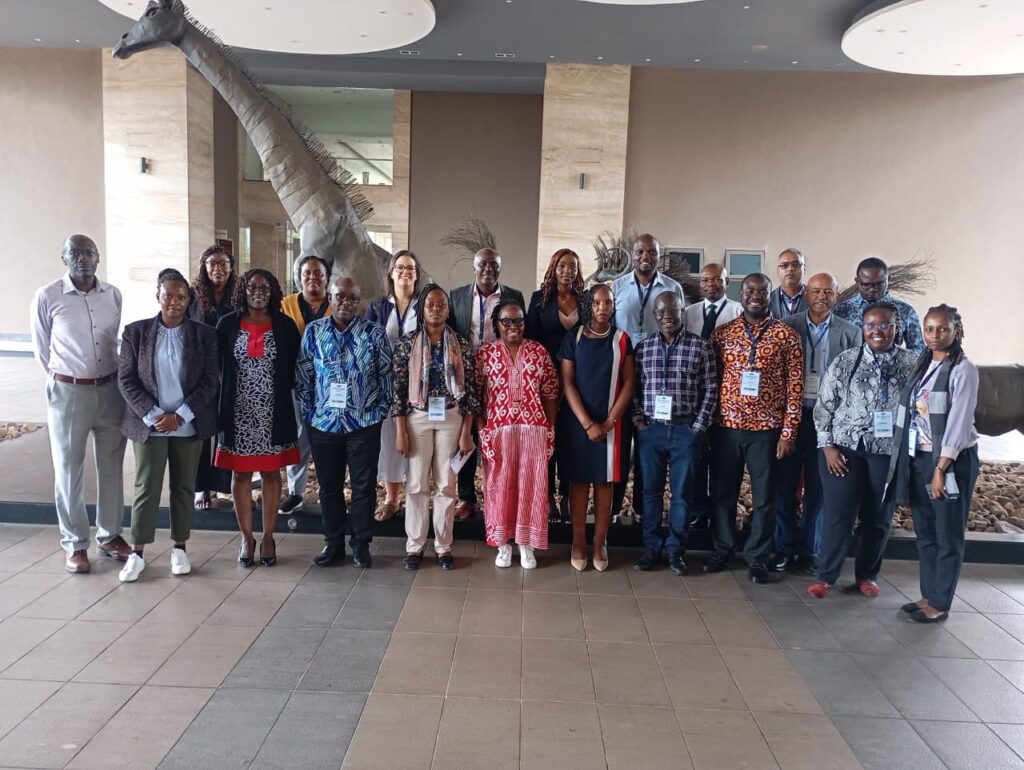
GEO-AFRICA WORKSHOP
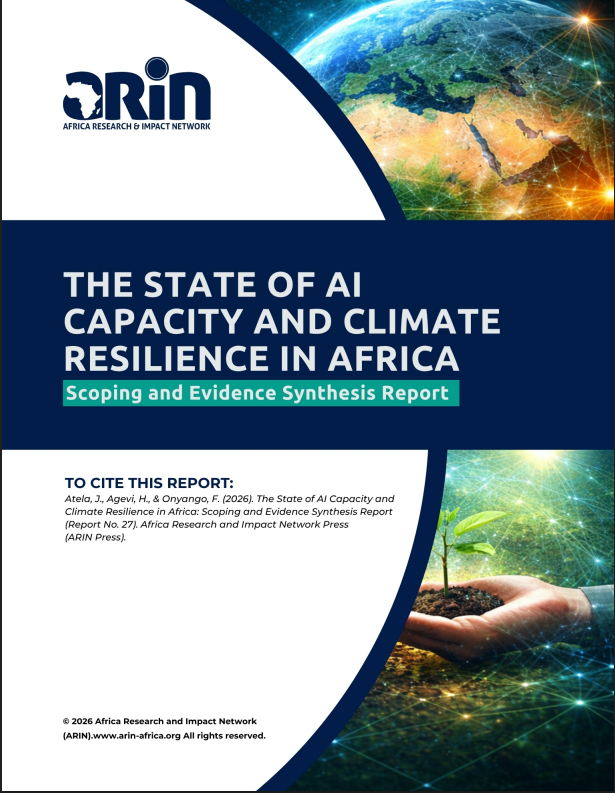

Adapting research projects to the COVID-19 pandemic: Experiences from the Nairobi Risk Hub
Understanding knowledge systems and what works to promote science technology and innovation in Kenya, Tanzania and Rwanda

Our Partners & Collaborators
Working together to transform Africa's research landscape



Have a question or want to collaborate with ARIN?
Contact Us