
Our Team
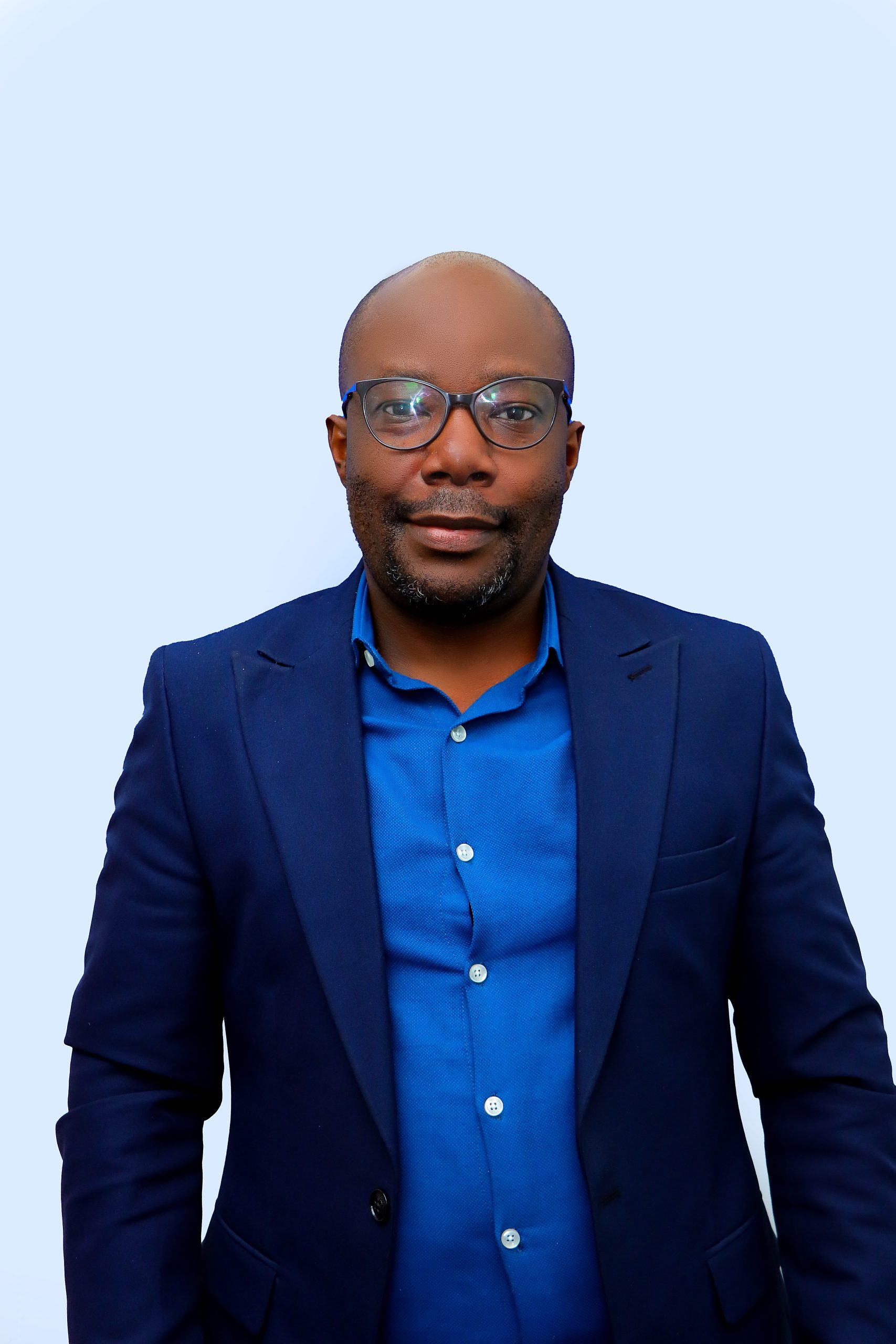





Dr. Akinyi J. Eurallyah
RESEARCH ASSOCIATE AND MANAGER ARIN FELLOWSHIP PROGRAMME-CLIMATE CHANGE AND FINANCE Read more
Dr. Isaiah Maket
RESEARCH ASSOCIATE - CLIMATE FINANCE & GENDER AND SOCIAL INCLUSION (GESI) Read more








Dr. Joanes Atela
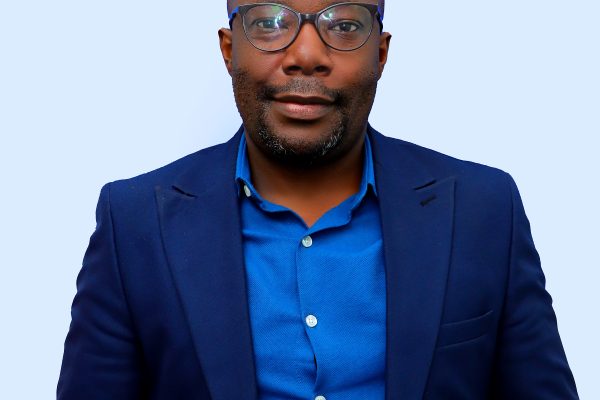
Dr. Joanes Atela is an accomplished executive with over 15 years of experience in research and providing technical support to African governments in natural resource management, climate change mitigation and adaptation, and knowledge management. Currently serving as the Founder and Executive Director of the Africa Research and Impact Network (ARIN), he excels in developing strong evidence-based actions and strategies that are adaptable and well linked to national, regional, and international climate change initiatives.
Joanes previously served as the Director Partnerships and Impact and the Head of the Climate Resilient Economies Programme at the African Centre for Technology Studies (ACTS) to become one of the best in the world, ranking third globally and the best in Africa according to the 2016 ICCG rankings based on research and policy work. He has been extensively involved in academia and research, serving as an Associate at the Institute of Climate Change and Adaptation (ICCA), University of Nairobi, and as a Research Fellow at the World Agroforestry Centre (ICRAF) and the United Nations University.
Joanes has published widely in international journals, books, media and blogs focusing on resilience, knowledge systems as well as international politics with over 1000 citations on Google Scholar. He has successfully led the design and implementation of numerous funded projects. He played a pivotal role in synthesizing key community-based adaptation initiatives across the world which provided significant evidence towards the establishment of the Locally Led Adaptation Agenda within the global climate action arena.
Joanes is particularly passionate about making science work for the local vulnerable communities. He has particular interest in strengthening the Science-Policy Interface in Africa. He founded the Grassroot Impact Centre- an initiative operating and empowering local communities including girls, youth, women with knowledge on resilience and innovation and seeks to develop models in which research can better align and support the needs of local communities.
At the strategic level, Joanes is a member of several high-level technical boards. He is the Lead Expert in the development of the African Union Green Innovation Framework, which guides member states in accelerating green growth actions; the Lead expert for developing the First Kenya’s Innovation Outlook Framework and a member of the Strategic Advisory Group for the UK Research and Innovation Fund (UKRI). Joanes also served as a Scientific Advisory Panel Member of Stockholm at 50+ and Advisory Committee Member to the Resilience Evidence Forum alongside serving in several global Advisory Committee.
He has won various awards including the Young Scientist Ward by the European Meteorological Society, the Exceptional Achievement Delegate in the Model United Nations Forum among others. Dr. Atela holds a Ph.D. in Environment and Development from the University of Leeds, United Kingdom, MSC in Natural Resource Management from Bonn University Germany (First Class) and BSc in Environmental Science, Maseno University- Kenya (First Class Honours).
Kennedy Mbeva

Kennedy Mbeva is the Secretary to the Advisory Committee, CO-Convernor of the African Research and Impact Network(ARIN). He is currently a Research Associate at the African Centre for Technology Studies (ACTS). He is also a PhD candidate, and a Research Associate at the Climate and Energy College, University of Melbourne. His PhD project examines the design of environmental standards in Preferential Trade Agreements (PTAs).
Kennedy’s broader research interest is in the political economy of low-carbon transition, and his previous professional experiences include international climate diplomacy. He has an extensive research publication profile; please see an extensive list here: https://scholar.google.com/citations?user=uj7GUIoAAAAJ&hl=en
Reuben Makomere

[vc_row][vc_column][vc_single_image source=”featured_image”][vcex_spacing size=”20px”][vcex_spacing size=”20px”][vc_column_text]Dr. Reuben Makomere LL.B (Hons) P.G.D Law (KSL) is a legal adviser at ARIN and a doctoral researcher at the University of Tasmania, Faculty of Law. His current research is focused on governance for addressing ocean acidification through regulation of its response strategies.
He has previously worked as a non-resident research fellow at the intergovernmental policy think tank, African Centre for Technology Studies (ACTS) and Africa Sustainability Hub (ASH) focusing on climate resilient economies and natural resource economies.
He completed his master’s research at the UNEP-Tongji Institute of Environment for Sustainable Development in Shanghai, China. He is also an advocate of the High Court of Kenya.
His research interests cover a variety of areas including climate change and marine governance, international law and international environmental politics.[/vc_column_text][/vc_column][/vc_row]
Prof. Felix Kanungwe Kalaba
[vc_row bg_style=”stretch” border_style=”solid”][vc_column][vc_single_image source=”featured_image”][vcex_spacing][vc_column_text]Prof. Felix is the chair of the ARIN Advisory Board and the Focal Point for the Southern Africa region. He is an Associate Professor of Environment and Development at the Copperbelt University in Zambia. He holds a PhD in Environment from the University of Leeds, as well as an MSc in Forest Science and BSc in Forestry. He currently holds the post of Senior Lecturer position at the Copperbelt University, Kitwe, Zambia. He is a socio-ecologist with research interests in ecosystem services and human-environmental relationships including environmental change and implication on risks and vulnerability of communities and ecosystems to these changes. He has authored several scientific papers and provided policy guidance to governments.
Professor Kalaba is a Lead Author for the 6th global assessment for the Intergovernmental Panel for Climate Change (IPCC) and has been involved in scoping exercise for transformative change assessment for the Intergovernmental Panel for Biodiversity and Ecosystem Services.
Prof. Kalaba has provided consultancy services on climate change risks and vulnerability assessments to various organizations. He has conducted various risks and vulnerability assessments in Zambia and consultancy with the World Bank on writing the Forest Investment Plan for Zambia, where he focused on private sector engagement. The Investment Plan focused on implementing the Reduction of emissions from deforestation and forest degradation (REDD) strategy exploring investment options to help adapt and mitigate climate change. Dr. Kalaba provides advice to the Government of Zambia on policies such as the REDD+ National Strategy. His work has a strong focus on the delivery of community benefits through REDD+ and policy linkages and implications on the natural resource base. He has also provided consultancy services on various projects, such as mapping ecosystem services in Zambia, Tanzania, and South Africa, for UNCCD/Foundation for Sustainable Development.[/vc_column_text][/vc_column][/vc_row]
Mr Paul Osogo

[vc_row][vc_column][vc_single_image image=”9901″][vcex_spacing size=”20px”][staff_social post_id=”8986″][vcex_spacing size=”20px”][vc_column_text]Mr. Paul Richard Osogo is the Government and Diplomatic Liaison Officer of the Africa Research and Impact Network and has held different Liaison positions at the African Centre for Technology Studies (ACTS), International Planned Parenthood Federation (IPPF) among others.
Paul is a self-driven, highly motivated and results oriented Government & Diplomatic Liaison Officer with over fifteen years of diplomatic experience. Areas of expertise include: Foreign Policy; International Trade & Investment; Public Policy; Protocol; Administration & Management.
Paul holds a Master of Arts in Social Transformation (Governance) from Catholic University of Eastern Africa (CUEA) and BA in Sustainable Human Development (Upper Second-Class Honors) from Tangaza University College (CUEA), Kenya.[/vc_column_text][/vc_column][/vc_row]
Dr. Antoine Faye (PhD)
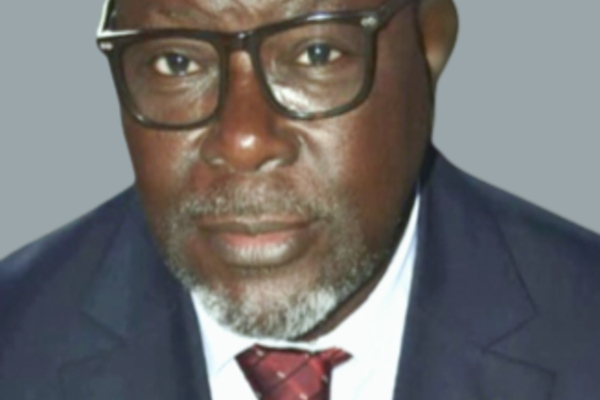
Dr. Antoine Faye is the focal point for Francophone. He is an Independent Consultant with tested expertise in Public Policy Analysis while specializing in Climate Change Economics. At mid-career as a Budget and Fiscal Analyst within the US Diplomatic Mission in Dakar Senegal, Antoine decided in 2000, to undertake a career change when he relocated in the United States of America.
To enhance his academic curriculum Antoine pursued a well sought interdisciplinary Degree named the CUNY/BA at the graduate center of the City University of New York. With that valuable credential, Antoine has been admitted to the renowned School of Public and International Affairs –SIPA of Columbia University.in New York to obtain a Master in International Affairs –Economic Political Development/Management.
Upon his return in Senegal in 2011, Antoine was an Advisor to the former Ministry of Energy Renewable to help that department to approach with much more rigor the opportunities available, both multilaterally and bilaterally and that the global concerns about tackling climate change has put in place through that a range of initiatives and funding mechanisms.
Since 2012, Antoine has used his professional skills to help organizations, institutions and governments to define and plan for implementation and execution of programs and projects.
He was, successively, the expert in renewable energy financing of the project CEADIR (Climate Economic Analysis or Development, Investment & Resilience) of USAID, the Regional Coordinator for West Africa, of the Regional Initiative for Investments in Clean Energies (RCEII; and the Chief Resilience Officer -CRO of the city of Dakar in the context of the city’s admission to the network of 100 Resilient Cities initiated by the Rockefeller Foundation. Also, as a member of the National Committee on Climate Change (COMNACC) Senegal; Antoine plays a big role in the advisory group experts that is helping the government of Senegal to reflect on all issues relating to climate change.
Dr. Mary Nantongo

[vc_row bg_style=”stretch” border_style=”solid”][vc_column][vc_single_image image=”9450″][vcex_spacing][vc_column_text]Dr. Mary Nantongo is a lecturer at the Department of Economics, Makerere University Business School. She is a postdoctoral fellow on the ‘Capacity Building for Socially Just and Sustainable Energy Transitions’ project, where her research focuses on asset and resource stranding as a consequence of the transition to a low carbon economy in Uganda. Mary is also a certified expert in Applied Development Finance by the European Investment Bank and Global Development Network as well as a certified expert in Financing Nationally Determined Contributions of the Paris Climate Agreement by the Frankfurt School of Finance and Management. She is also a member of the Network for Impact Evaluation Researchers in Africa. For this year, 2022, Mary is a member of the scientific committee for the organization of the annual conference on renewable energy organized by the Ministry of Energy and Mineral Development, Uganda. Mary holds a PhD in Development and Environment Studies (Institutional Economics) and an MSc. in Development and Natural Resource Economics from the Norwegian University of Life Sciences. Her research interests revolve around the analysis of social, economic and environmental impacts of climate change, as well as evaluations of policies, programs and investments in the fields of environment and climate and the interactions and interdependencies between these and the broad sectors of agriculture, energy and natural resources.[/vc_column_text][/vc_column][/vc_row]
Dr Adama SOW EP BADJI

[vc_row bg_style=”stretch” border_style=”solid”][vc_column][vc_single_image image=”9364″][vcex_spacing][vc_column_text]Adama SOW BADJI est Maître de Conférences Titulaire au département d’économie à la Faculté des Sciences économiques et de Gestion (FASEG) à l’université Cheikh Anta DIOP de Dakar (UCAD). Après sa maîtrise dans cette même faculté elle a été sélectionnée dans le Programme de Troisième Cycle Interuniversitaire (PTCI) Campus de Dakar où elle a obtenu son Diplôme d’Etude Approfondie en 2008 avant de devenir Docteur en économie dans ce même programme en 2015. Elle est nommée depuis juillet 2021 directrice des études du Centre Universitaire de Recherche et de formation aux Technologies de l’Internet (CURI).
Outside the university she was a fellowship for two months in 2015 at the Virtual Institute of UNCTAD in Geneva, member of the scientific committee at the direction of Forecasting and Economic Studies (DPEE) of the Ministry of Economy and Finance from 2016 to 2018 and member of the scientific committee for the organization of the annual conference on sustainable development at the Ministry of the Environment and Sustainable Development for two years.
Adama SOW was an assistant in the Sustainable Development Solutions Network (SDSN) program for the Sahel led by FASEG in collaboration with the Millenium Promise (MP) for five years.[/vc_column_text][/vc_column][/vc_row]
Victoria Chengo

[vc_row bg_style=”stretch” border_style=”solid”][vc_column][vc_single_image source=”featured_image”][vcex_spacing][vc_column_text]Victoria Chengo is the Research Manager at ARIN. She is also, the Tomorrow’s Cities Nairobi Risk Hub Manager, and a member of the Africa Sustainability Hub
Victoria holds an MSc in Environmental Management from the Pan African University Institute of Life and Earth Sciences (Nigeria), and a BSc in Water Engineering from Kenyatta University (Kenya). Driven by her passion and background on Earth Sciences, Victoria aspires to create a meaningful impact in Africa’s Sustainable Development through evidence-based research and capacity building engagements in the fields of; climate change (climate action and governance), sustainable cities & development – disaster risk reduction, natural resources management – energy & water development.[/vc_column_text][/vc_column][/vc_row]
Charles Tonui
[vc_row bg_style=”stretch” border_style=”solid”][vc_column][vc_single_image source=”featured_image”][vcex_spacing][vc_column_text]Charles Tonui is a fellow at ARIN. He is also a research fellow at the African technology studies. As a researcher, Tonui supports action research, resource mobilization, and project management in projects under the Climate Resilience Economies program; co-convening of African Sustainability Dialogues under the African Sustainability Hub and engaging in policy impacts discussion under the Africa Research and Impact Network (ARIN).
He actively participates in sustainability and policy discussions at a local, national, regional, and international level that aim to create awareness, enhance capacity and try to shape evidence-based policies towards building climate-resilient and sustainable economies in Africa.
He has a passion to share new knowledge, Tonui has co-authored several articles on climate change, green infrastructure, energy water, transportation, and agriculture-related topics. Tonui Uses research outputs to inform the UNFCCC Conference of Parties (COPs), Sustainable Development Goals (SDGs), and other international high-level policy discussions and negotiations on climate change, disaster management, urban development, and agriculture and food security through co-convening of side-events.
He has a BSc Degree in Environmental Science from Egerton University and a Masters degree in Environmental Planning and Management from Kenyatta University.[/vc_column_text][/vc_column][/vc_row]
Dr. Akinyi J. Eurallyah

Eurallyah Akinyi holds the position of Fellowship Manager at ARIN. Akinyi is also an Advocate of the High Court of Kenya. Her expertise lies at the intersection of sovereign financing, climate change, sustainable development, global economic governance, international trade and investment, public-private partnerships, business and human rights, and public policy.
Akinyi’s educational background includes an LL.M. in International Trade and Investment Laws from the University of Pretoria, South Africa, a Post-graduate diploma in Laws from the Kenya School of Law, and an LL.B. from Moi University, Kenya. Currently, she is pursuing her Ph.D. in Law at Dalhousie University, Canada.
Prior to her role at ARIN, Akinyi held various positions at esteemed organizations such as the United Nations Economic Commission for Africa (UNECA), NatureFinance (Sustainability-linked Sovereign Debt Hub), Africa Sovereign Debt Justice Network, Trade Law Centre, and the Office of the Special Envoy on International Trade & Investment of the AfCFTA at the Canada-Africa Chamber of Business.
Akinyi’s expertise extends to coalition-building with the public, governments, and companies, as well as analyzing and contributing to various public policy processes related to global economic and environmental governance. She has conducted extensive research and published on topics including sustainable development, climate change, international trade and investments, law and governance of international financial architecture, sovereign debt, global tax, global politics and democracy, as well as business and human rights.
Dr. Isaiah Maket
Isaiah Maket is a thorough researcher with a decade of extensive research, teaching, training, and capacity-building experience. His research interests include socioeconomic themes such as climate change adaptation, mitigation and vulnerabilities, sustainable development, gender and social inclusion in climate adaptation, financing and advocacy, climate shocks-induced energy poverty and multidimensional poverty. He also focuses on social interventions such as cash transfers and financial inclusion strategies and their impact on agricultural sustainability, women empowerment, clean energy access, health deprivations, out-of-pocket health spending, mental health and child development.
Maket has a PhD in Economics from the University of Szeged, Hungary (June 2024), a Masters in Economics (2018) and a Bachelor of Science in Economics and Statistics (2015) from Chuka University, Kenya. He is a Stipendium Hungaricum Scholar. He is highly proficient in designing data tools and data collection using SurveyCTO, Kobo Collect, and ODK Kit, as well as statistical analysis using STATA, SAS, R-Program, Matlab, SPSS, and Excel. With evidence of a multidisciplinary approach to research, Dr. Maket brings an extensive contribution to insightful policy initiatives across Africa and the world at large.
His current role as a Research Associate at ARIN is to support and lead the implementation of gender and social inclusion (GESIS) analysis in climate adaptation and mitigation financing-related projects. Currently, He’s supporting the GESI implementation in the Climate Financing Landscape and Locally-Led Adaptation Metrics for Africa (LAMA) projects financed by the International Development Research Centre (IDRC) at Africa Research and Impact Network (ARIN). With his quest for an equitable society, Dr Maket engages in local and international partnership research projects that focus on climate adaptation and mitigation, agricultural sustainability, poverty alleviation, human capital development, resource mobilization, training and capacity building. With strong trackable research, report writing and knowledge translation skills, Dr Maket remains a key pillar in ensuring a climate-resilient Africa.

Leah Aoko

[vc_row bg_style=”stretch” border_style=”solid”][vc_column][vc_single_image source=”featured_image”][vcex_spacing][vc_column_text]
Leah Aoko is a Research Associate at ARIN. Leah has a background in law and policy development. Her passion lies in exploring the intricate interplay between science and policy, recognizing their inherent complementarity and the immense potential they hold for strengthening resilience and adaptation efforts within vulnerable communities.
As an invaluable member of ARIN, Leah has actively engaged in various projects as a law and policy consultant, diligently bridging the gap between scientific endeavors and policy implementation. Noteworthy endeavors include her involvement in the Adaptation Research Alliance project on locally led adaptation, specifically the illustrative case study conducted in Mukuru, Nairobi. Additionally, she has been actively participating in the ongoing Nairobi Risk Hub’s Tomorrow Cities Project, which focuses on mitigating disaster risks in urban settings. Furthermore, Leah has successfully completed the prestigious NDC Fellowship program on Climate Financing in Africa, organized jointly by the Frankfurt School of Business and ARIN. She has contributed significantly to the knowledge translation project aimed at addressing equity in COVID-19 recovery efforts in East Africa.
In recognition of her outstanding achievements, Leah Aoko was honored with the esteemed Spirit of Stetson award in International Environmental Law from Stetson Law University in 2018. Following this accolade, she was granted the prestigious Dean’s Scholarship to pursue her Masters in Law (LLM) at the University of Nairobi in 2019. Leah is fluent in English and Kiswahili, and possesses a working knowledge of basic French.
[/vc_column_text][/vc_column][/vc_row]
Amon Mtunji

[vc_row bg_style=”stretch” border_style=”solid”][vc_column][vc_single_image image=”9889″][vcex_spacing][vc_column_text]Amon Mturi Mtunji serves as the Finance and Administration Officer at ARIN, bringing with him a proven track record of over 6 years in comprehensive financial management, accounting, budgeting, and financial and donor reporting. In his role, Amon assumes key responsibilities such as overseeing budget development, project cash flow planning, financial monitoring, and ensuring the accurate preparation of financial donor reports. His expertise also extends to payroll management, guaranteeing the timeliness and accuracy of financial statements.
Amon takes pride in providing platforms for the science-policy interface in Africa, firmly grounded in evidence-based approaches. A significant portion of his experience lies in accounting and financial management of large donor-funded projects within the nonprofit sector.
With a Bachelor of Commerce in Finance and currently pursuing a Master’s Degree in Finance and Investment, Amon embodies an analytical and self-motivated professional. His impeccable integrity, exceptional work ethic, and positive attitude are qualities he prides himself on.[/vc_column_text][/vc_column][/vc_row]
Florence Onyango

[vc_row bg_style=”stretch” border_style=”solid”][vc_column][vc_single_image source=”featured_image” lightbox_custom_img=”9182″][vcex_spacing][vc_column_text]
Florence Onyango is the Communications Manager at ARIN. She is a highly skilled professional in the field of communications, specializing in climate change and sustainability. Florence obtained her Bachelor of Science degree in Communications from Moi University. She further enhanced her knowledge and skills by completing a Postgraduate Diploma from McGrath in Australia and a Diploma in Public Relations from the London Chamber of Commerce and Industry. Currently, she is pursuing a Master of Climate Change Adaptation from the University of Nairobi, focusing on climate and finance.
She previously served in Communications at Nation Media Group, where she successfully oversaw the development and implementation of communication strategies across various channels. Furthermore, Florence excelled as the Vice President of Communications at the United Nations Environment Programme’s Ecosystems Based Adaptation for Food Security Assembly. In this role, she played a pivotal role in designing and executing a comprehensive communications plan to support the organization’s mission. Florence was instrumental in the establishment of the UNEP’s Ecosystem Based Adaptation for Food Security Assembly Kenya Chapter, leaving a lasting impact on sustainable food security initiatives.
In addition to her extensive experience in communications, Florence is highly regarded as a thought leader in the field of climate change and sustainability. She has authored and published numerous opinion pieces, leveraging her profound knowledge and expertise to provide valuable insights and analytical perspectives.
[/vc_column_text][/vc_column][/vc_row][vc_row][vc_column][/vc_column][/vc_row]
Washington Kanyangi

[vc_row bg_style=”stretch” border_style=”solid”][vc_column][vc_single_image source=”featured_image” lightbox_custom_img=”9282″][vcex_spacing][vc_column_text]
Washington Kanyangi is a Research Associate at ARIN. Washington is specializing in Climate Justice, Disaster Risk Reduction, and Environmental Sustainability. With a solid foundation in Disaster Management and International Diplomacy, Washington continually seeks to expand his knowledge base, further enhancing his capacity to address pressing global challenges. He has augmented his wealth of expertise through the completion of various professional courses, including Nature-Based Solutions for Disaster and Climate Resilience, Global Diplomacy in the Modern World, and International Women’s Health and Human Rights.
Presently, Washington plays a pivotal role in providing technical support for the Tomorrow’s Cities Project, a groundbreaking initiative. Additionally, he actively contributes to the implementation of the Accelerating Climate Adaptation via Meso-level Initiative project at ARIN, where his expertise is invaluable. Prior to his current roles, Washington successfully completed an in-depth study on the Political Economy Analysis of Air Quality in Nairobi, shedding light on crucial factors shaping the region’s environmental landscape.
[/vc_column_text][/vc_column][/vc_row]
Tom Ogaga
Thomas Oracha Ogaga, a seasoned Procurement and Logistics Officer, boasts a wealth of expertise obtained over a decade in the field. With a diploma in Purchasing and Supply Chain Management from the Kenya Institute of Management, coupled with a Bachelor of Science degree in Botany & Zoology from the University of Nairobi, Thomas possesses a robust academic background. His tenure at the African Centre for Technology Studies (ACTS) saw him ascend through various roles, culminating in his role as Procurement/Supplies and Marketing Officer in the Executive Director’s office. This refined his skills in supplier relationship management, supply chain optimization, and navigation of intricate procurement landscapes.
Highly skilled in negotiation, contract drafting, and strategic sourcing, Thomas consistently secures favorable terms, reduces costs, and enhances operational efficiency. His commitment to compliance and attention to detail ensure the execution of ethical and transparent procurement processes. Furthermore, Thomas’s analytical acumen and proficiency in data analysis empower him to extract invaluable insights that fuel informed decision-making across organizational levels.
Beyond his professional endeavors, Thomas finds intellectual stimulation through avid reading and engaging discussions on current affairs. His passion for football underscores his well-rounded personality, serves as a testament to his diverse interests and multifaceted approach to life.
Ezekiel Gordon

Ezekiel Gordon serves as a Research Assistant at ARIN, where he supports various projects and research endeavors, particularly focusing on GIS, Remote Sensing, Data Analysis, and IT Administration duties. His responsibilities include website maintenance, data collection, management, and visualization, which enable researchers to gain valuable insights and make informed decisions. Currently, Ezekiel is collaborating with the climate change and health transdisciplinary project at ARIN to map stakeholders and initiate collaborations across African platforms and tomorrow cities. This collaborative effort aims to assist urban poor residents in making policy decisions that alleviate future scenarios affecting current standards within urban centers.
With a background in Geomatic Engineering and Geo-spatial Information Systems, Ezekiel has also contributed to Agroforestry and Health research during his tenure at the World Agroforestry Centre (ICRAF) and KEMRI-Wellcome Trust. His roles involved informing both large and small-scale farmers on soil type, structure, and fertility rates for maximizing outputs, as well as assisting policymakers on matters related to malaria research for children under 5 years and mothers. Through his primary role, Ezekiel designs and executes research projects utilizing GIS technology, which includes identifying research questions, defining objectives, and selecting appropriate data sources. He employs GIS software and tools to analyze data, perform mapping, spatial modeling, and statistical analysis to uncover patterns, relationships, trends, or predictions within the data.
Due to the multidisciplinary reach of GIS, Ezekiel has collaborated with experts from various fields, including government agencies, academic institutions, and private organizations, to address complex spatial problems. He stays informed about the latest developments, methodologies, and technologies in the field through conferences, research papers, and professional networks, facilitating the sharing and exchange of knowledge and ideas. Through his expertise and collaborative efforts, Ezekiel contributes to advancing research and addressing spatial challenges in diverse fields.
Atieno Lavender Ochieng

Lavender Ochieng is a Research Assistant at the Africa Research and Impact Network (ARIN), boasting a background in Environmental Science from Egerton University, where she graduated with First Class Honours. She possesses a profound passion for addressing climate change and advancing renewable energy solutions.
In her capacity as the Assistant Fellowship Manager and Research Assistant at ARIN, Lavender plays a pivotal role in driving research initiatives aimed at fostering sustainable development across Africa. Her expertise in environmental science and policy analysis contributes significantly to the organization’s mission of promoting evidence-based solutions to pressing environmental challenges. Lavender has actively engaged in various projects such as Accelerating Climate Change Adaptations via Meso-Level Interventions (ACAMI), Governing Sustainable Development Goal (SDG) Interactions, and the LEEPs project on Evidence Informing Policy (EIP).
Lavender’s exceptional academic performance and exemplary work ethic have earned her recognition, including a prestigious scholarship from the Pan African Universities (PAU) to pursue her Master of Science degree in Energy Policy at Tlemcen University, Algeria. Additionally, she was awarded the Runners-up ARIN Staff of the Year 2023.
Edna Kowenje

Edna Kowenje specializes in environmental sustainability, climate change advocacy and She presently supports the climate change theme and the intersection of gender equality and social inclusion at ARIN as a Research Assistant.
community engagement. Through her personal experiences, she has developed a heart for community development and education through advocacy on matters relating to the environment. She is passionate about creating impact to alleviate different challenges associated with the risks and vulnerabilities of Climate Change.
Her future career goals entail contributing to scientific research in Africa and beyond that will shape the formulation of relevant policies addressing the different needs of frontline communities. With a strong academic background in BSc. Climate Change and Development with Information Technology, Edna continuously seeks to expand her knowledge base.
Nancy Mutwii

[vc_row bg_style=”stretch” border_style=”solid”][vc_column][vc_single_image image=”10665″][vcex_spacing][vc_column_text]Nancy Mutwii is an Urban and Regional Planner and a Research Assistant at ARIN with a keen interest in risk-sensitive urban and regional planning. Her focus revolves around integrating disaster risk reduction and vulnerability assessments to enhance climate change mitigation and adaptation practices. Nancy’s academic background has equipped her with a deep understanding of the complexities of urban environments and the importance of fostering community involvement in shaping their future. Her collaborative nature allows her to seamlessly integrate into teams, enhancing efficiency and productivity.
Proficient in GIS and sustainable development, Nancy leverages spatial data analysis to inform planning decisions, ensuring that projects are not only visionary but also grounded in empirical evidence. Additionally, she possesses outstanding management skills honed through attentive mentorship, gaining invaluable experience in organizational management and strategic planning.
As a planner and researcher, Nancy is eager to explore novel methods for incorporating urban and regional planning within the wider developmental context in Kenya, Africa, and across the world. She firmly believes that failure to plan is planning to fail and is committed to advancing sustainable and resilient urban development practices on both local and global scales[/vc_column_text][/vc_column][/vc_row]
Benjamin Onyango

Benjamin Onyango is a seasoned public policy and administration professional with acommitment to developing and implementing impactful social policies. Leveraging a strong foundation in policy analysis and governance, Benjamin is driven to create equitable solutions that address pressing social issues.
Benjamin holds a Bachelor of Arts (B.A.) degree from Kenyatta University, where he studied public policy. His academic background equipped him with expertise in policy analysis, administration, program evaluation, and the intricacies of policy development and implementation. Additionally, his studies provided a comprehensive understanding of how publicadministration systems function.
Throughout his career, Benjamin has played a pivotal role in shaping organizational change andspearheading policy initiatives. He has extensive experience collaborating with research institutes and non-profit organizations to develop and execute successful policies. These policies have addressed critical areas such as community mobilization, economic development, and security policy assessment.
Rosemary Mwende

Rosemary Mwende, currently serving as a human resource assistant at the Africa Research and Impact Network, holds a Bachelor’s Degree in Business Administration. With a keen interest in organizational management and human capital development, Rosemary is driven to explore the intersection between business administration and human resource management.
Throughout her academic journey, Rosemary has cultivated a strong foundation in business principles and HR practices, equipping her with the knowledge and skills necessary to navigate the dynamic field of human resources. As a human resource assistant at ARIN, she is eager to apply her academic insights in a practical setting, contributing to impactful research projects and organizational development initiatives.
Rosemary’s commitment to learning and professional growth fuels her aspirations to make meaningful contributions to the field of HR and organizational management. Her dedication to acquiring new skills and her enthusiasm for leveraging her expertise in real-world scenarios underscore her potential to thrive in the field of human resources.
Jerry Ariel

Jerry Ariel Mandela is a Research Assistant at the Africa Research and Impact Network (ARIN), specializing in climate change and development. He holds a Bachelor’s degree in Development Studies from Mount Kenya University and brings an interdisciplinary perspective that connects social, economic, and environmental dimensions to sustainability challenges.
At ARIN, Jerry contributes to projects on climate adaptation, finance, AI for resilience and just energy transitions. His expertise spans climate policy analysis, data-driven research and stakeholder mapping with a growing focus on climate governance, adaptation metrics and climate finance. Passionate about inclusive and just climate action, he is committed to amplifying the voices of local communities, youth, and marginalized groups in shaping climate solutions across Africa
Jerry is committed to translating research into solutions that amplify the voices of local communities, youth and marginalized groups while advancing sustainable development across Africa.